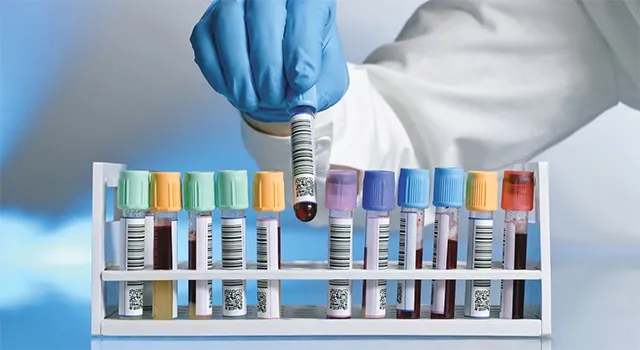
A Medical Laboratory Assistant collects and processes the specimens that doctors rely on to diagnose and treat patients. Phlebotomy is a large part of the job. So is specimen handling, basic testing under a technologist’s supervision and the administrative work that keeps a lab stocked and safe.
This guide answers the questions Alberta applicants ask most: what the daily work looks like, what schooling and certification employers expect, what the pay looks like, where MLAs are hired and what the profession offers beyond a steady income. Each answer has its own section, so you can read straight through or jump to the one you came for.
Medical Laboratory Assistants (MLAs) are central to our modern healthcare system, working behind the scenes to ensure accurate and timely test results. If you’re considering a career as an MLA in Alberta, this guide will answer the most frequently asked questions about this rewarding profession, covering everything from job duties to career prospects.
What is a Medical Laboratory Assistant?
A Medical Laboratory Assistant (MLA) is a key player on the healthcare team, responsible for performing various tasks that support laboratory operations. MLAs work in a range of settings, including hospitals, private laboratories, and research facilities. Their main responsibilities include collecting, labelling, and processing specimens like blood, urine, and tissue samples, which are then analyzed to help diagnose and treat patients.
Additionally, MLAs are often tasked with maintaining laboratory equipment, managing inventory, and ensuring that lab environments comply with safety regulations.
What Are the Daily Tasks of a Medical Laboratory Assistant?
The daily tasks of a Medical Laboratory Assistant can vary depending on the work setting but typically include several key responsibilities. MLAs are frequently involved in phlebotomy, the process of drawing blood from patients for laboratory testing. They prepare specimens by following specific protocols to ensure that samples are accurately labelled and not contaminated.
In addition to specimen collection, MLAs perform basic laboratory tests under technologists’ or laboratory managers’ supervision. They also handle administrative duties, such as entering patient information into databases, ordering supplies, and ensuring that the laboratory is well-stocked and organized. These tasks require a high level of attention to detail and a strong understanding of laboratory procedures.
What Are the Education Requirements to Become an MLA in Alberta?
To become a Medical Laboratory Assistant in Alberta, you need to complete a recognized training program that provides both theoretical and practical education. Most MLA programs in Alberta require applicants to have a high school diploma with a focus on science courses like biology and chemistry.
The programs typically last about 6 to 12 months and include classroom instruction combined with hands-on training in a clinical environment. Courses cover topics such as phlebotomy, specimen handling, laboratory safety, and medical terminology. After completing the program, graduates are well-prepared to enter the workforce, although some may choose to pursue further certification to enhance their career prospects.
Program prerequisites
To become an MLA in Alberta, you must complete a recognized training program that combines theoretical knowledge with practical skills. Most programs in the province have the following prerequisites:
- High school diploma or equivalent
- Strong background in science courses, particularly biology and chemistry
- English language proficiency
Choosing an MLA program in Alberta
When selecting an MLA program, consider the following factors:
- Accreditation: Verify the program is recognized by the CSMLS and meets industry standards.
- Curriculum: Look for a comprehensive curriculum that covers all aspects of MLA work, including both theoretical and practical components.
- Clinical Practicum: Check if the program offers hands-on experience in real healthcare settings.
- Faculty Expertise: Research the qualifications and experience of the instructors.
- Graduate Outcomes: Inquire about job placement rates and graduate success stories.
- Industry Partnerships: Programs with strong connections to healthcare facilities may offer better networking and employment opportunities.
Some reputable institutions offering MLA programs in Alberta include:
What Skills Are Taught in an MLA Program?
MLA programs in Alberta are designed to equip students with the practical skills and knowledge they need to excel in their roles. Key skills taught include phlebotomy, where students learn how to safely and effectively draw blood from patients, specimen handling and processing, and preparation of samples for analysis.
Lab safety is another critical component of the curriculum, covering how to work safely with hazardous materials (bodily fluids and sharps) and maintain a clean and organized work environment. Administrative skills are also emphasized, including data entry, patient communication, and inventory management. Students are expected to gain a strong understanding of medical terminology and be able to operate basic laboratory equipment.
Topics an MLA program covers
These programs cover essential topics such as:
- Specimen collection and handling
- Laboratory safety protocols
- Medical terminology
- Basic diagnostic procedures
- Quality control measures
- Infection control practices
How Long Does It Take to Get Certified as an MLA?
The duration of MLA programs in Alberta varies, but most take between 6 and 12 months to complete. Some programs are accelerated, where you can complete them in just a few months with more hours of training per day.
After completing the program, students may choose to obtain certification through a recognized body like the Canadian Society for Medical Laboratory Science (CSMLS). Certification can enhance job prospects and may be required by certain employers. The certification process typically involves passing an exam that tests the knowledge and skills acquired during the chosen training program.
For those eager to start their careers without spending many years in school, becoming an MLA is an excellent option. Accredited programs in Alberta can often be completed in less than a year, allowing graduates to enter the workforce quickly. This short training period means less educational debt and a faster path to earning an income, which is a significant advantage.
How Much Do Medical Laboratory Assistants Make in Alberta?
Salaries of Medical Laboratory Assistants in Alberta vary based on experience, location, and the specific healthcare setting. According to the Alberta Learning Information Service (ALIS), the average hourly wage for MLAs in Alberta ranges from $22 to $35. This translates to an annual salary of approximately $40,000 to $65,000, depending on full-time or part-time status. In addition to base salary, MLAs may receive benefits such as health insurance, retirement plans, and opportunities for overtime pay, particularly in larger healthcare facilities.
One of the benefits that might not be immediately apparent is the competitive salary. Alberta is known for offering higher wage rates than other provinces in Canada. MLAs in Alberta can expect to earn an attractive salary, often with comprehensive benefits packages. This financial incentive makes the career not only fulfilling but also financially rewarding.
What Are the Career Prospects for MLAs in Alberta?
The demand for Medical Laboratory Assistants in Alberta is expected to grow due to the aging population and the increasing need for diagnostic services. MLAs have a solid career path with opportunities for advancement into roles such as Laboratory Technicians or Technologists, particularly with additional education and training.
Plus, there is potential for specialization in areas such as histology, cytology, or microbiology, which can lead to higher-paying positions. For more detailed labour market information, visit the ALIS page on Medical Laboratory Assistants.
Alberta’s growing population and aging demographics have led to an increased demand for healthcare services, including laboratory diagnostics. MLAs are essential in supporting medical testing, and the province anticipates steady growth in this field. According to Alberta’s occupational forecasts, employment opportunities for MLAs are expected to remain strong, providing job security for those entering the profession.
What Certifications Are Required for MLAs in Alberta?
While certification is not mandatory for Medical Laboratory Assistants in Alberta, it is highly recommended and often preferred by employers. Certification demonstrates a commitment to the profession and can significantly enhance job prospects. The most recognized certification for MLAs in Canada is through the Canadian Society for Medical Laboratory Science (CSMLS), which requires passing an examination that tests both theoretical knowledge and practical skills. Some employers may also require CPR or First Aid certification as part of the job requirements.
CSMLS certification for medical laboratory assistants
To be eligible for CSMLS certification, candidates must:
- Graduate from a CSMLS-approved MLA program
- Complete a minimum of 480 hours of clinical training
- Pass the CSMLS MLA certification exam
The CSMLS MLA certification exam tests candidates on various competencies, including:
- Safe work practices
- Data collection and specimen procurement
- Pre-analytical specimen preparation
- Information management
- Professional practice
Alberta Health Services requirements for MLAs
Alberta Health Services, the province’s largest healthcare employer, typically requires MLAs to have:
- Completion of an accredited MLA program
- CSMLS certification (preferred)
- Current CPR certification
- Up-to-date immunizations
- Clear criminal record check
What Types of Work Environments Do MLAs Work In?
Medical Laboratory Assistants work in various settings, including hospitals, private laboratories, and research facilities. In hospitals, MLAs often work in the pathology or clinical chemistry departments, handling a large volume of specimens daily.
In private laboratories, they may focus on specific types of tests, such as blood work or genetic testing. MLAs in research facilities might be involved in supporting clinical trials or other scientific studies.
Regardless of the setting, the work environment for MLAs is fast-paced and requires strict adherence to safety protocols to prevent contamination and ensure accurate test results.
If you’re considering a career as a Medical Laboratory Assistant (MLA) in Alberta, understanding where you can apply your skills is a good first step. MLAs play a central role in healthcare by collecting and processing specimens essential for diagnosis and treatment. Here are seven places where MLAs are in demand within Alberta Health Services (AHS) and beyond.
Hospitals
In hospitals, MLAs are integral members of the healthcare team. They work in various departments, such as pathology, hematology, and clinical chemistry. Their responsibilities include collecting blood samples through phlebotomy, preparing specimens for analysis, and ensuring accurate labelling and documentation.
In one of the most common settings, MLAs help physicians diagnose illnesses and develop effective treatment plans.
Diagnostic laboratories
Diagnostic laboratories are specialized facilities focused on analyzing patient specimens to detect diseases and medical conditions. Medical lab assistants in these settings handle a high volume of samples, perform basic laboratory tests under supervision, and maintain laboratory equipment. Their meticulous work contributes to accurate test results, which are essential for patient care and treatment decisions.
Private laboratories
Private laboratories often specialize in specific types of testing, such as genetic screening, microbiology, or specialized blood work. MLAs working in private labs may focus on particular procedures, gaining expertise in niche areas of laboratory science. They work with advanced technology and adhere to strict protocols to ensure the reliability of test results.
Research facilities
In research facilities, MLAs support scientific studies and clinical trials that advance medical knowledge. They collect and process specimens according to detailed research protocols, maintain accurate records, and ensure compliance with ethical standards.
Their contributions help in developing new medications, treatments, and diagnostic methods that can improve patient outcomes.
Patient service centres
Patient service centers provide convenient locations for individuals to have blood drawn or other specimens collected without visiting a hospital.
MLAs in these centers perform phlebotomy, collect various specimens, and ensure patient comfort and safety during the process. They often serve a diverse patient population, including those requiring routine tests or specialized screenings.
Community health centres
Community health centers focus on providing accessible healthcare services to local populations, including underserved communities. MLAs here play a role in preventative care by collecting specimens for screenings and public health initiatives. They assist in the early detection of diseases, which is crucial for effective treatment and reducing healthcare disparities.
These centres tend to follow typical business hours and working days.
Blood donor clinics
At blood donor clinics, MLAs are responsible for collecting blood donations and ensuring donor safety throughout the process. They perform phlebotomy, donor screenings (including determining blood type) and proper handling and storage procedures for collected blood.
Their work is essential in maintaining an adequate and safe blood supply for hospitals and emergency services across Alberta.
What Are the Benefits of Becoming a Medical Laboratory Assistant?
A career as a Medical Laboratory Assistant offers numerous benefits, including job stability, a competitive salary, and opportunities for advancement within the healthcare sector. MLAs play a critical role in patient care by ensuring that laboratory tests are conducted accurately and efficiently, contributing to better patient outcomes.
Additionally, the role provides a good work-life balance, particularly in settings with regular business hours. MLAs also have the satisfaction of working in a profession that is in high demand and offers the opportunity to make a meaningful impact on patient care.
Working with advanced laboratory technology
Alberta’s healthcare facilities are equipped with some of the most advanced laboratory technologies. As an MLA, you have the opportunity to work with state-of-the-art equipment and cutting-edge diagnostic tools. This exposure enhances your skill set but also keeps you at the forefront of medical advancements, which can be both professionally and intellectually stimulating.
Contributing to public health and disease prevention
While MLAs play a critical role in patient diagnostics, another benefit is their contribution to public health and disease prevention. By assisting in accurate and timely laboratory testing, MLAs help detect and monitor outbreaks, contributing to the overall health of the community. This aspect of the job provides a sense of purpose and fulfillment that goes beyond traditional patient care roles.
How Can I Start a Career as a Medical Laboratory Assistant in Alberta?
To start a career as a Medical Laboratory Assistant in Alberta, the first step is to research and enroll in an accredited MLA program, such as the one offered by ABES College. Completing the program will provide you with the necessary education and hands-on experience to enter the field. After graduation, consider obtaining certification through the CSMLS, as this can enhance your employability. Networking with professionals in the field and gaining experience through internships or volunteer opportunities can also help you establish a strong foundation for your career.
Ready to start your career as a Medical Laboratory Assistant? Our accredited program, in partnership with Alberta Precision Laboratories (APL), offers comprehensive training and a 5-week practicum placement. Contact us today to begin your journey toward a rewarding career.
Related reading
- Medical device reprocessing technician, another behind-the-scenes hospital role
- Choosing a health care career in Calgary
- Getting from health care training into a job
Talk to an advisor about medical laboratory assistant training
ABES College runs the Medical Laboratory Assistant program in Calgary. An ABES College advisor can go through entrance requirements, upcoming intakes and funding options with you.