
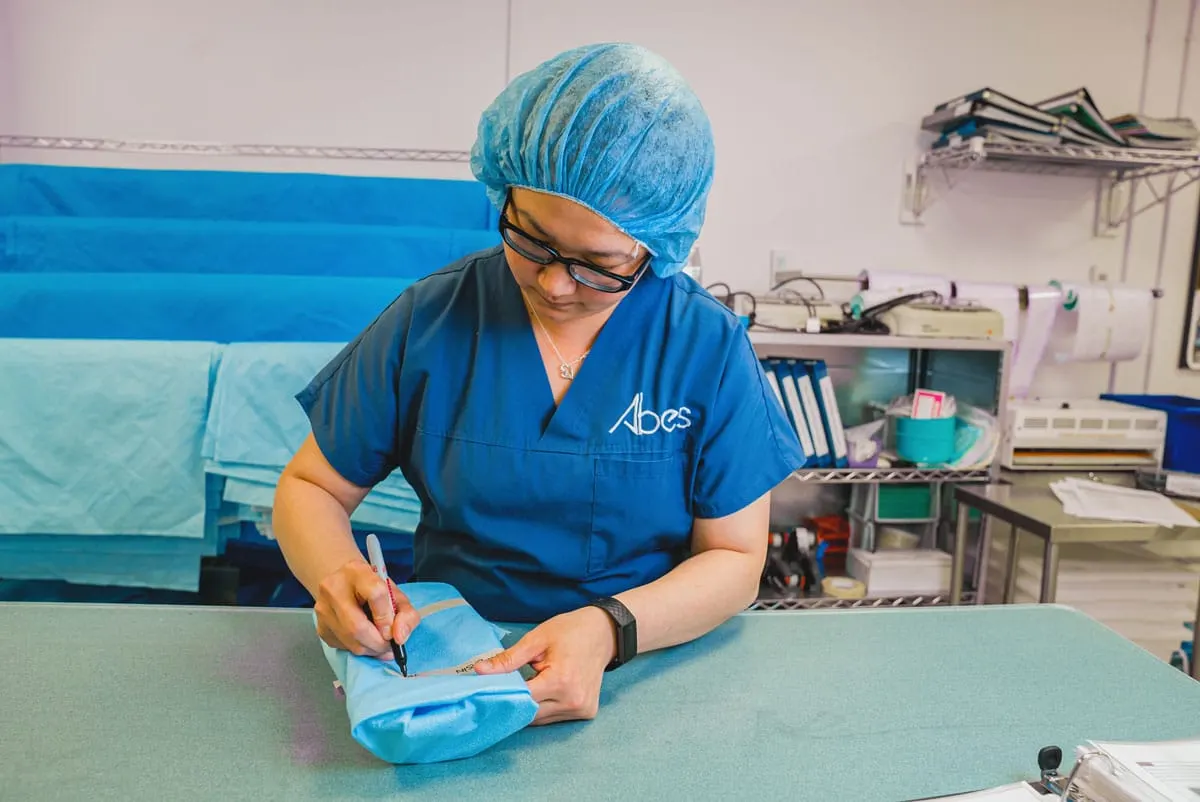
Medical Device Reprocessing Sterile Processing
In-person classroom in Calgary
Delivered in Partnership with Alberta Health Services (AHS)
- Program length
- 40 weeks (about 9 months)
- Next start date
- Feb 1, 2027
- Credential
- Certificate
- Tuition
- $14,995
- supervised practicum
- 8 weeks
- students per cohort (avg)
- 12
The training
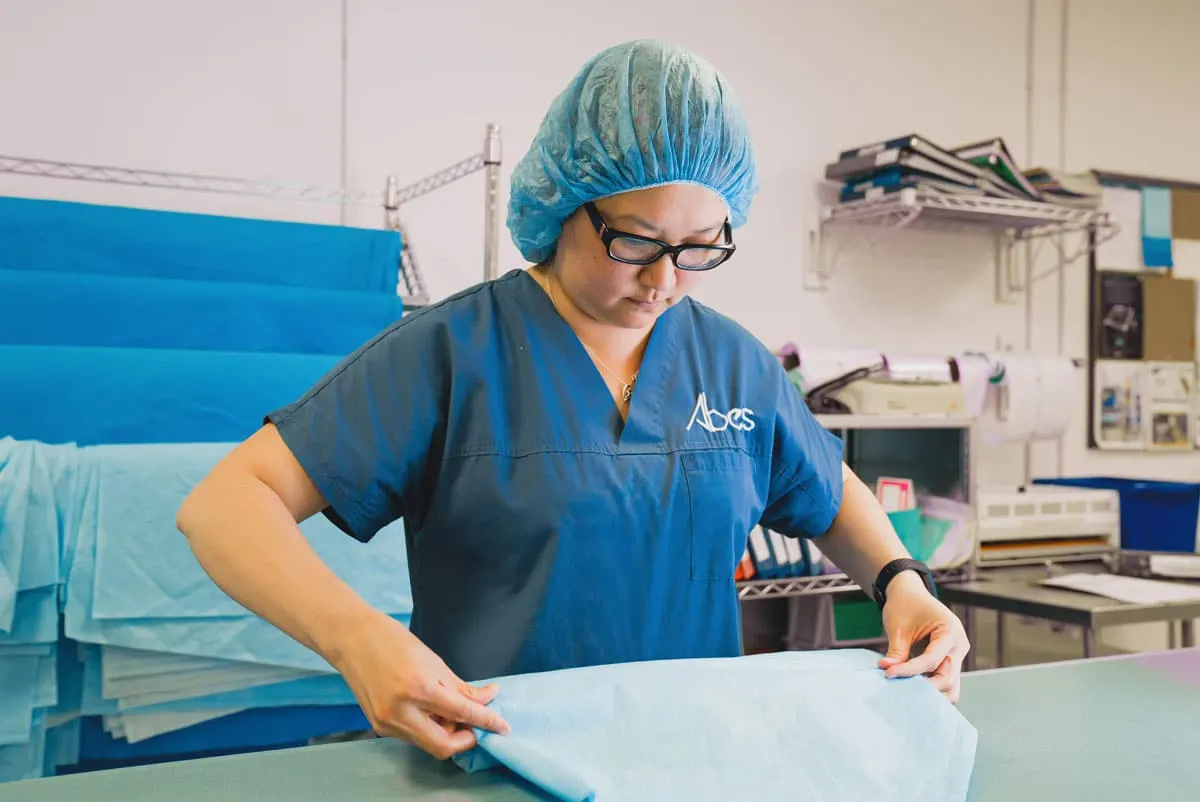
You learn to decontaminate, inspect, assemble, package and sterilize instruments to the safety standards the field runs on.
What you'll learn
The Profession of Central Services
The role of central services in healthcare, the safety standards the field runs on, and the medical terminology you use every day.
Cleaning and Decontamination
Cleaning and decontamination of reusable medical devices, and keeping work areas sanitary and safe.
Sterilization Techniques
High-temperature sterilization methods and equipment, and the testing and packaging that keep instruments sterile for the next patient.
Surgical Instrumentation
Identifying, inspecting, and assembling surgical instruments, including complex surgical instruments.
Inventory Control and Procurement
Inspecting and maintaining supplies, and managing inventory and procurement for surgical and medical settings.
Certification Exam Preparation
Preparation for the recognized national certification examination in medical device reprocessing.
AHS Practicum8 weeks / 320 hours
Supervised placement with Alberta Health Services in hospital central processing departments, surgical units, and endoscopy teams.
Admission requirements
- Age 18+ by program start date
- Grade 10 English or CLB 7+ for newcomers
- 2 years post-secondary training in health care or life sciences
Where this program leads in Alberta
- Graduate placement rate
- 88.89%Source: ABES graduate employment figure.
- Alberta salary range
- $20–$32Source: Government of Alberta ALIS 2023 Alberta Wage & Salary Survey and Job Bank Canada. Hourly rates.
Who hires in Calgary
- Alberta Health Services hospital sterile-processing departments (Rockyview, Foothills, Peter Lougheed, South Health Campus, Alberta Children’s) are the dominant employer
- private surgical facilities (Canadian Surgery Solutions, Clearpoint Health Network)
- dental, eye and specialty clinics
Where this credential takes you
The people
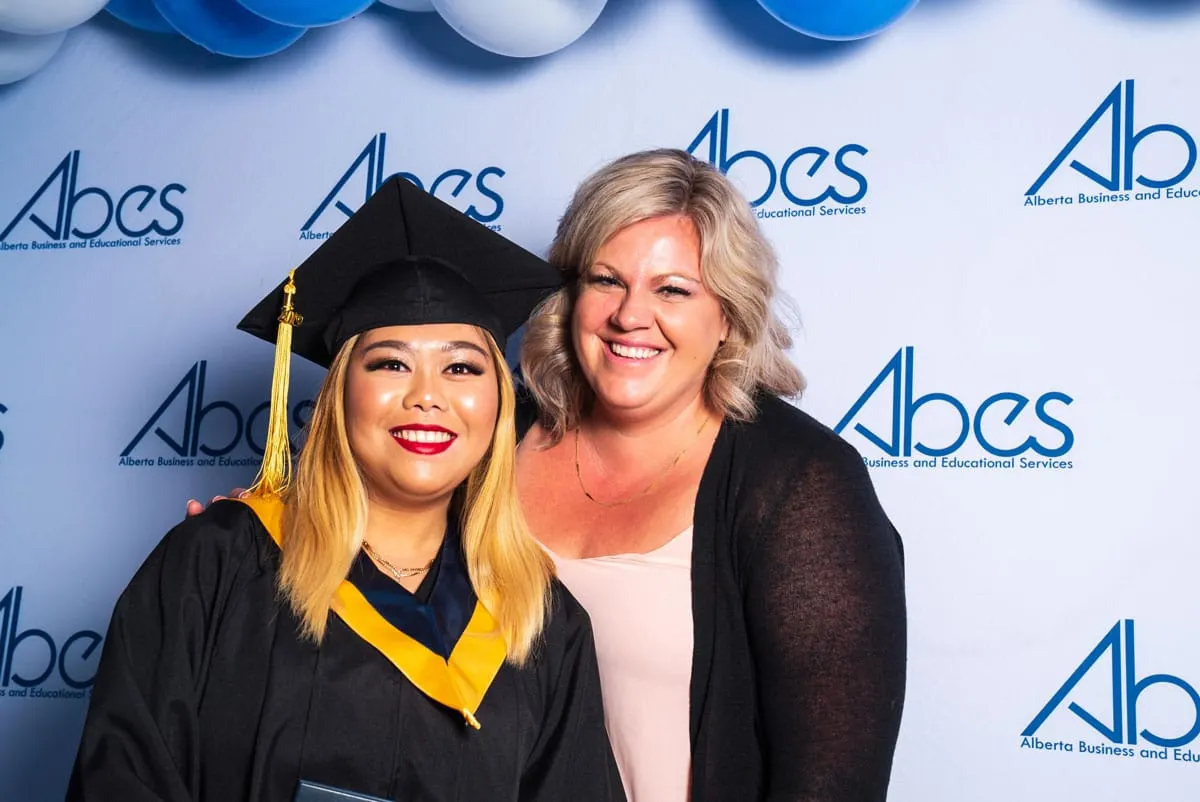
This program asks for post-secondary health care or life sciences training before you start, and it is delivered in partnership with Alberta Health Services.
What training here actually looks like
Graduate stories
“The ABES coordinator and management are committed to providing conducive learning facilities and are passionate about the welfare of all students.”
“They are very informative and teach you exactly what you need to know and how to succeed in the course and your practicum.”
“This is the most helpful school for immigrants to find their health care career in a short time in Canada.”
ABES vs Southern Alberta Institute of Technology
| What you are comparing | ABES College | Southern Alberta Institute of Technology |
|---|---|---|
| Program length | 40 weeks (about 9 months) | 1 Year or Less (band, per Government of Alberta ALIS directory)Source: Government of Alberta ALIS directory: SAIT Medical Device Reprocessing Technician (2026) |
| Tuition (all-in) | $14,995 | not published |
| Upcoming start dates | Feb 1, 2027; Jul 26, 2027 | not published |
One clear price. Real ways to pay it.
$14,995
Ask admissions about bursaries and payment plansLicensing & accreditation
- Alberta Advanced EducationLicensed private vocational school under the Private Vocational Training Act (Alberta)
- Years operating35 years of career training in Calgary — established 1991
Frequently asked questions
How long is the Medical Device Reprocessing program?
The certificate runs 40 weeks full-time at our Calgary campus and includes an 8-week supervised practicum. It is one of our longer programs because sterile processing is a technical, safety-critical field.
What are the admission requirements?
You must be at least 18 by your start date and have Grade 10 English, or a Canadian Language Benchmark of 7 or higher if English is your second language. This program also asks for two years of post-secondary training in health care or life sciences.
Is the program connected to Alberta Health Services?
Yes. Medical Device Reprocessing is delivered in partnership with Alberta Health Services (AHS). That connection shapes both what you learn and where you can be placed.
What does a Medical Device Reprocessing Technician do?
MDRTs decontaminate, inspect, assemble, package, and sterilize surgical and medical instruments so they are safe for the next patient. They keep hospital operating rooms and clinics supplied with sterile equipment.
What is the practicum?
You complete an 8-week full-time practicum in a reprocessing department before you graduate, working alongside experienced staff in a hospital central processing setting.
When does the next intake start?
This is a 40-week program, so it runs a few intakes each year rather than monthly starts. The next start date is shown at the top of this page, and an admissions advisor can confirm the upcoming intakes and check that you meet the entry requirements.
What do Medical Device Reprocessing Technicians earn in Alberta?
ALIS puts starting pay around $20–$22/hr (about $42,000 a year full-time), typical pay at $22.50–$24.55/hr (about $48,000), and experienced pay at $30–$32/hr (about $62,000). Wages are Government of Alberta ALIS 2023 Alberta Wage & Salary Survey and Job Bank Canada figures. The hourly rate is the reliable anchor; annual amounts assume full-time work, so part-time or casual roles earn less.
Will I find work after I graduate?
88.89% of ABES graduates from this program are employed. On the wider Alberta picture: strong long-term demand from boomer retirements (ALIS “Hot” forecast; Job Bank rates the near term “moderate”); about 5,190 employed. Certification is mandatory to be hired.
Who hires Medical Device Reprocessing Technicians in Calgary?
Alberta Health Services hospital sterile-processing departments (Rockyview, Foothills, Peter Lougheed, South Health Campus, Alberta Children’s) are the dominant employer; private surgical facilities (Canadian Surgery Solutions, Clearpoint Health Network); dental, eye and specialty clinics.
How do I advance after I graduate?
With experience alone: Senior / lead / charge MDR technician, MDR educator/trainer, or quality & tracking coordinator. ALIS notes advancement is limited without further education. Ceiling around $31–$32/hr (low-to-mid $60,000s full-time). With further study: Licensed Practical Nurse (LPN): ~2-yr diploma → ~$31.91/hr (~$51,571/yr) — the clearest step up. Health Care Aide or OR aide/attendant: lateral moves into hands-on patient care at similar pay. Registered Nurse (RN): 4-yr BScN — the longer route to the highest pay.
Articles about Medical Device Reprocessing Sterile Processing
Training and Certification Programs for Medical Device Preprocessing in Alberta
Explore a Career as a Medical Device Reprocessing Technician: FAQs, Job Demand & More
The Importance of Sterile Equipment and Supplies: Learn to be a Medical Device Reprocessing Technician at ABES medical school in Calgary
Planning your studies
See all articles- How to Seamlessly Bridge the Gap from Health Care Education to Employment
- 6 Financial Assistance Options for ABES Students that Make Education Accessible
- Your Educational Journey at ABES College: Complete Guide to Admissions, Program Options & Student Life
- Career Colleges vs Traditional Universities in Alberta: What’s Right for You?