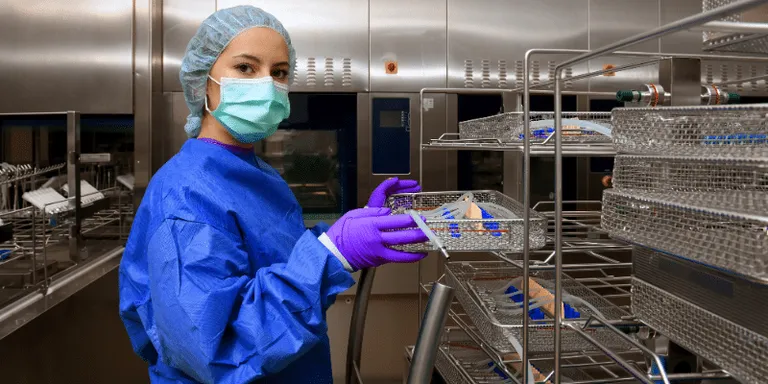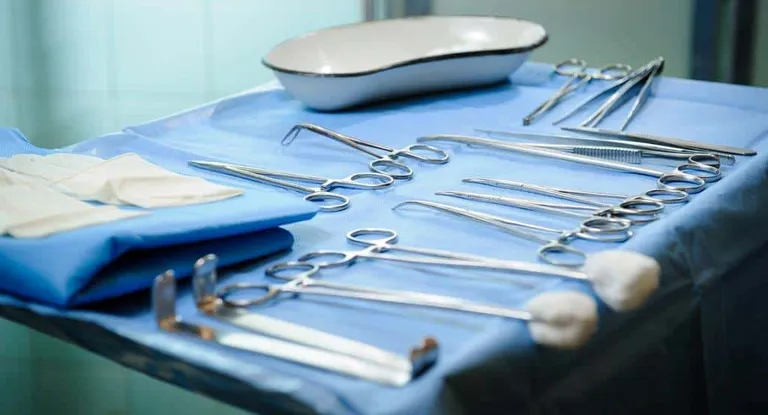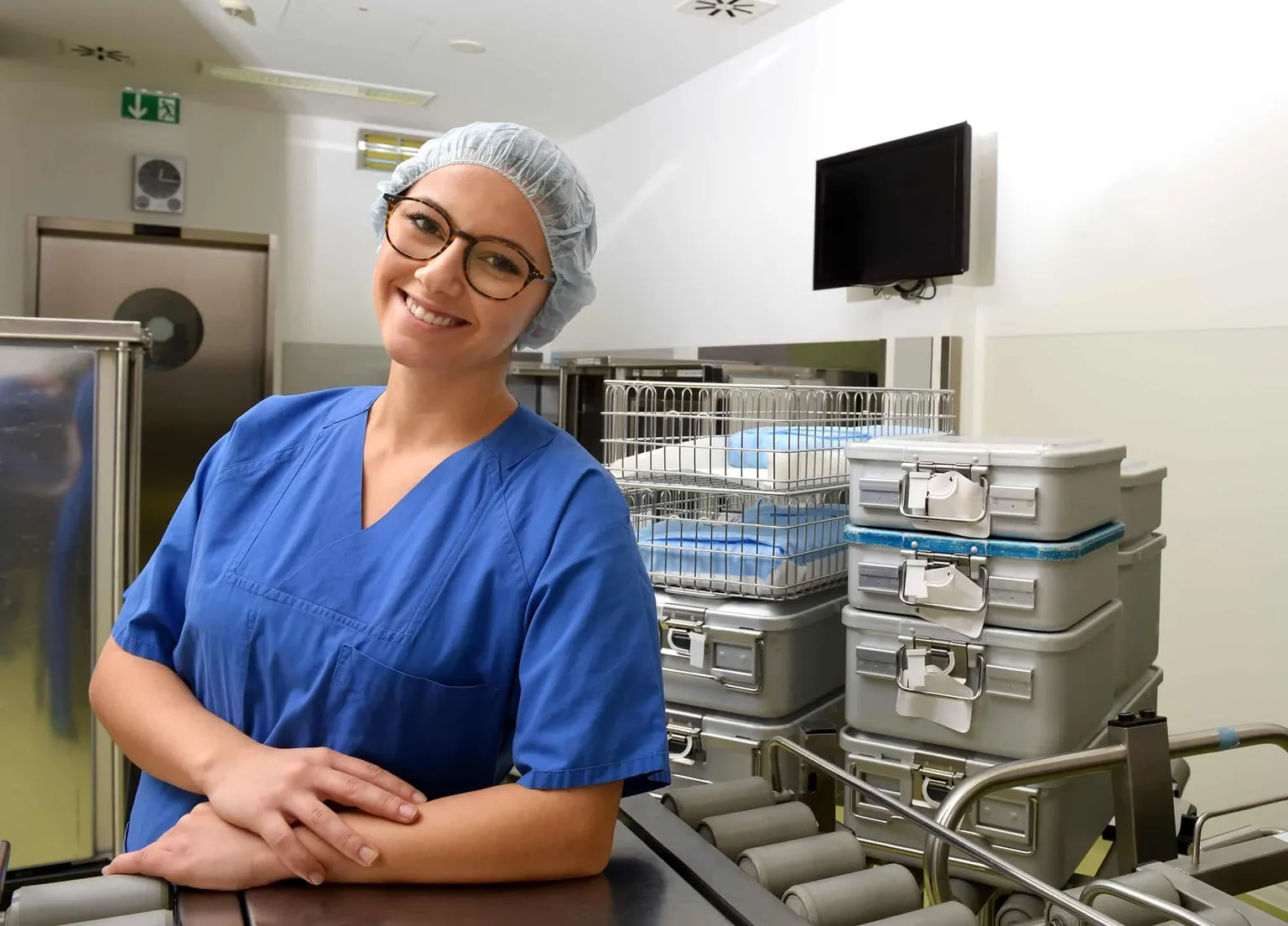
A medical device reprocessing technician handles the instruments used in surgery and other procedures. Decontamination, sterilization, inspection, assembly and storage all sit with this role, and hospitals, surgical centres and dental clinics depend on it being done right. The job is also called sterile processing technician or surgical processor.
This guide answers the questions applicants ask most: what the role involves, how to qualify in Alberta, what the training covers, how long it takes, what a shift actually looks like, what the work pays and where it can lead.
Medical Device Reprocessing Technicians (MDRTs) are critical in ensuring the safety and effectiveness of healthcare services. These technicians play a key role in the sterilization, preparation, and storage of medical instruments, a fundamental aspect of patient care in any healthcare facility.
This article answers your most common questions about the MDRT career and programs in Alberta, outlining what to expect from the training, the skills you will acquire, and the opportunities available upon completion.
What is a Medical Device Reprocessing Technician?
Medical device reprocessing technicians, also known as sterile processing technicians or surgical processors, are specialized healthcare professionals responsible for the decontamination, sterilization, assembly, and storage of medical devices and surgical instruments. They ensure that all medical instruments used in surgeries and other medical procedures are safe, sterile, and ready for use.
This is the central role for maintaining the health and safety standards in healthcare facilities, which reduces infection risk and ensures the best outcomes for patients.
How can I become a Medical Device Reprocessing Technician in Alberta?
To become a Medical Device Reprocessing Technician in Alberta, you typically need to complete a certificate program offered by accredited educational institutions like ABES College. These programs provide comprehensive training in microbiology, infection control, surgical instrumentation, and sterilization techniques. A formal education ensures graduates are well-prepared for entry-level positions in hospitals, dental offices, and other healthcare facilities.
Upon completing an MDRT program, graduates are often required to obtain certification from a recognized professional body such as the Canadian Standards Association (CSA) for Medical Device Reprocessing. This certification validates the technician’s knowledge and skills, making them more attractive to potential employers and essential for career progression.
What are the prerequisites for enrolling in an MDRT program?
Before enrolling in a Medical Device Reprocessing Technician program, candidates usually need a high school diploma or equivalent. Some programs may also require additional post-secondary credits, background checks, immunization records, and a basic understanding of biology and chemistry. For example, ABES states that students must have two years of post-secondary training in health care or life sciences to qualify for admission.
Prospective students should check specific prerequisites with the educational institution or program website to ensure they meet all entry requirements.
What skills will I learn in an MDRT program?
In an MDRT program, students learn a range of critical skills, including understanding microbiology, principles of sterilization, handling and maintenance of surgical instruments, and inventory management. Additionally, the program emphasizes safety protocols, teamwork, and attention to detail, which are essential for ensuring the effectiveness of the sterilization process and overall patient safety.
Skills the job itself asks for
An MDRT must possess a thorough understanding of microbiology. Knowledge of microorganisms such as bacteria, viruses, and fungi helps determine the appropriate sterilization methods.
Importantly, attention to detail is needed to adhere to protocols and completely remove contaminants. Mistakes in this job can be life-altering, so there is very little room for error. Additionally, technical skills are required for operating and maintaining complex sterilization equipment.
And like most positions, effective communication and teamwork are central to getting the job done right. MDRTs work closely with surgical and medical teams to ensure the timely availability of sterile instruments.
How long does it take to complete the MDRT program?
The duration of a Medical Device Reprocessing Technician program can vary, but most certificate programs offered in Alberta can be completed within 12 months. This includes both classroom instruction and hands-on training through practicums or internships, providing students with real-world experience in healthcare settings.
For example, ABES College in Alberta offers a specialized training program designed to equip students with the necessary skills to excel in this field. Our program is ten months long and includes an 8-week practicum for real, on-the-job experience.
What are the career prospects after completing the MDRT program?
Graduates of the MDRT program have a wide range of career opportunities in hospitals, surgical centers, dental clinics, and other healthcare institutions. With the increasing focus on health safety and the expansion of healthcare services, the demand for qualified reprocessing technicians is expected to grow. This career not only offers job stability but also the potential for advancement into supervisory roles or specialization in specific types of medical devices.
Where the role can lead
While many MDRTs continue to thrive in their roles, others may choose to advance their careers by transitioning into related positions. Potential next-steps career paths include:
- Supervisory Roles: With experience and additional leadership training, MDRTs can move into supervisory or management positions within medical facilities.
- Infection Control Specialist: Some MDRTs may pursue further education to specialize in infection control, playing a pivotal role in maintaining healthcare standards.
- Educator or Trainer: Experienced MDRTs can become educators or trainers, sharing their expertise with new technicians entering the field.
Is there a demand for Medical Device Reprocessing Technicians in Alberta?
Yes, there is a significant demand for Medical Device Reprocessing Technicians in Alberta. The province’s growing healthcare sector and the continuous need for strict infection control measures in medical facilities drive the demand for skilled technicians. Employment prospects are generally favourable, and the role is recognized as essential in patient care.
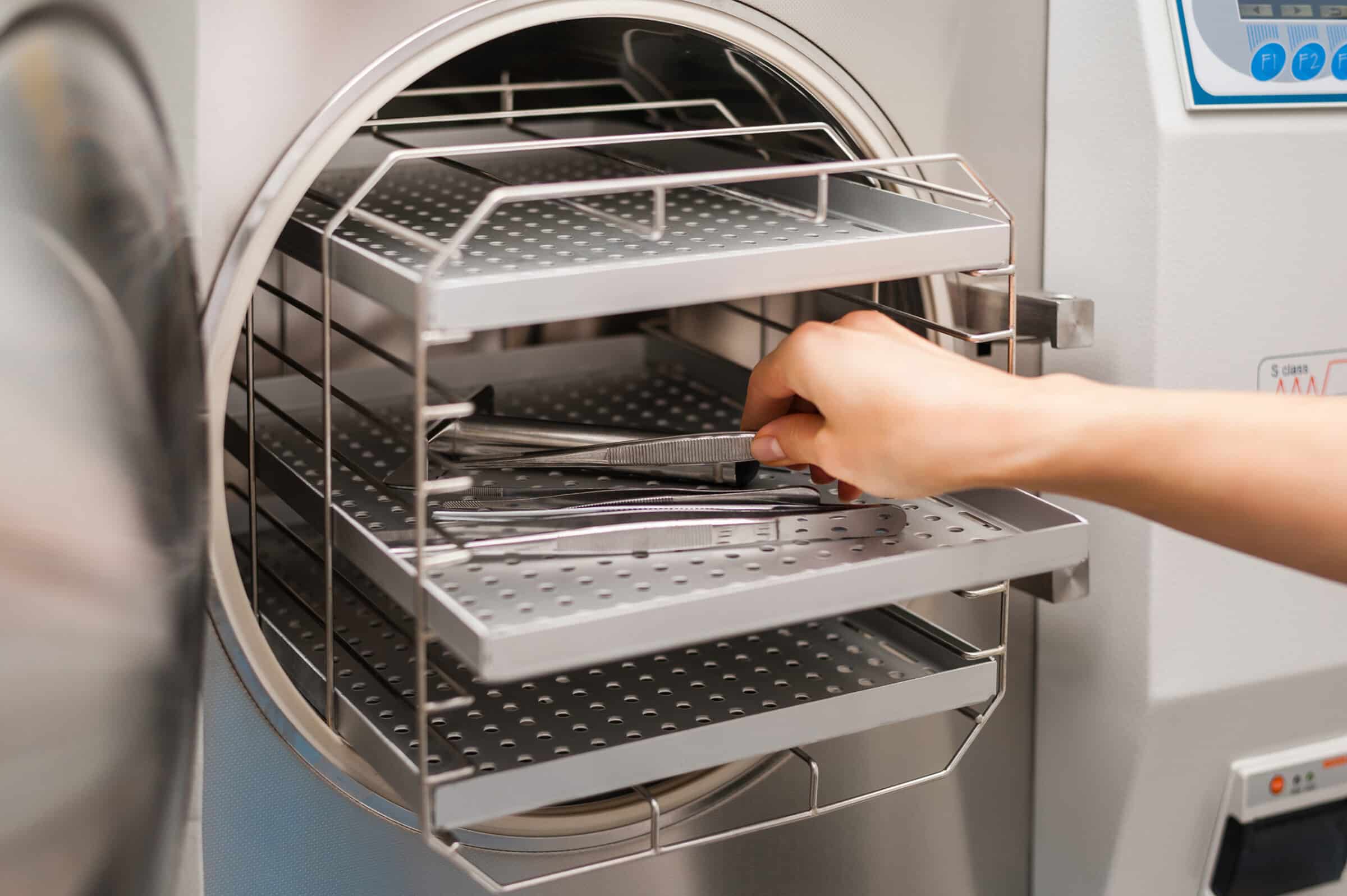
What does a day as a sterile processing technician look like?
Sterile processing technicians begin their day by checking inventories and preparing sterilization equipment. They meticulously clean, disinfect, and sterilize surgical instruments and medical devices.
Post-sterilization, each item is inspected for cleanliness and functionality before being packaged and labelled to maintain sterility. Technicians also manage records, maintain equipment, and restock supplies, ensuring strict adherence to safety and infection control protocols.
What gets contaminated, and how it is dealt with
Sterile processing technicians handle a variety of medical instruments and devices that can become contaminated with harmful pathogens. These include, but are not limited to:
- Surgical Instruments: These are frequently exposed to blood, tissues, and other bodily fluids. Contamination can occur during surgeries or medical procedures.
- Endoscopes and Other Diagnostic Tools: These devices come into direct contact with mucous membranes and internal tissues, making them high-risk for contamination.
- Reusable Medical Equipment: Items such as catheters, ventilator components, and dialysis machines also pose contamination risks due to their repeated use.
To manage contaminants, MDRTs follow a systematic approach: initial cleaning removes debris, disinfection kills most pathogens, thorough inspection checks for residual contamination or damage, and sterilization eradicates all remaining microorganisms.
Sterilization techniques by equipment type
Different types of medical equipment require specific sterilization techniques to ensure their safety and functionality:
- Autoclaving: This technique uses steam under pressure to sterilize heat-resistant items such as surgical instruments and metal tools. The high temperature and pressure effectively kill all microorganisms.
- Chemical Sterilization: For heat-sensitive items, such as certain plastics and electronics, chemical sterilants like ethylene oxide or hydrogen peroxide are used. These chemicals penetrate surfaces to kill microorganisms without damaging the equipment.
- Ultrasonic Cleaning: This method uses high-frequency sound waves to create microscopic bubbles that dislodge debris from instruments. It’s often a preliminary step before final sterilization.
- Dry Heat Sterilization: Used for items that can withstand high temperatures but not moisture, such as powders and oils. Dry heat effectively kills bacteria and spores through oxidation.
- Radiation Sterilization: Utilizes UV rays, gamma rays or electron beams for disposable medical supplies and pharmaceuticals. It penetrates packaging, ensuring sterility without high heat or moisture.
Safety protocols in sterile processing
Patient safety might be the central goal of medical device reprocessing, but the technicians need to be extra mindful in the face of so much exposure. That’s why MDRTs follow strict infection control protocols, using PPE like gloves, gowns, masks, and eye protection to protect against pathogens.
They adhere to standardized procedures from cleaning to packaging and receive regular training to stay updated on best practices. Accurate records of sterilization cycles and equipment maintenance ensure traceability and accountability, allowing for a prompt resolution of any issues.
What are the typical working hours and conditions for a surgical processor?
Surgical processing technicians typically work in shifts since hospitals and clinics operate around the clock. Most technicians can expect to work full-time hours, which may include evenings, nights, and weekends, depending on their employer’s needs.
The role is primarily based in the sterile processing department or similar environments within healthcare facilities. Technicians work under strict guidelines to maintain a sterile environment and often stand for extended periods. Despite the physical demands, the job offers a stable and essential role in the healthcare sector, with the satisfaction of contributing directly to patient care and safety.
How much do medical device reprocessing technicians make?
According to ALIS data, MDRTs in Alberta typically earn an average wage of $23.86 per hour, which translates to an average annual salary of approximately $39,000. With experience and additional qualifications, MDRTs can achieve higher pay scales so that it continues to be a financially rewarding career choice.
To start, new sterile processing technicians in Alberta can expect around $17 per hour, while in the Calgary region, experienced technicians can earn up to $30.18 per hour (source: Canada’s Job Bank).
Are there continuing education opportunities in the MDRT field?
Continuing education is vital for MDRTs to stay current with advancements in sterilization and infection control practices. Numerous institutions and professional associations, such as the Canadian Association of Medical Device Reprocessing, offer workshops, seminars, webinars and additional certifications in advanced reprocessing techniques. Through pursuing continuing education, technicians can enhance their skills and increase their competitiveness and potential for career advancement.
Related reading
- Becoming a medical laboratory assistant in Alberta
- Choosing a health care career in Calgary
- Getting from health care training into a job
Talk to an advisor about sterile processing training
ABES College runs the Medical Device Reprocessing program in Calgary. An ABES College advisor can go through entrance requirements, upcoming intakes and funding options with you.